
How are the most effective non-profits identified by Mieux Donner?
Some problems are much easier to solve than others.
Some methods are much more effective at solving a given problem.
Lucius Caviola & Stefan Schubert - Researchers in effective philanthropy
At Mieux Donner, our mission is to ensure that every donation you make has the greatest possible impact. This page on our methodology describes the process we use to identify and recommend the best giving opportunities, and we ensure that it is rigorous and evidence-based. Our approach is based on scientific research, ethical considerations and measurable results. This enables us to identify the organisations that provide the most effective solutions to the world’s most pressing challenges.
We believe that a systematic and transparent approach is key to building trust and maximizing the impact of charitable donations. That’s why we openly share our methodology for selecting charities.
1. Our motivation
We live in an age of many pressing issues and millions of charities that are aiming to solve them. Faced with the scale of the world’s problems, and the number of charities to choose from, it can be tempting to raise our arms up and simply give to the first charity we come across.
But can we do better? Based on concrete measures, our conclusion is that your donation can often achieve an impact 100 times greater if it’s directed to the most effective charities. The aim of this page is to explain how we arrive at this conclusion, and what we mean by the most effective charities.
2. Why do we want to identify the most effective charities?
Our focus on efficiency might seem surprising compared to the usual “techniques” people use when choosing charities to support. Here, we explore some of these common habits and explain why we think there’s a better way to choose where to donate.
2.1 Why not simply give from the heart?
Acknowledging one’s emotions is a good thing, but emotions themselves do not guarantee a positive impact on the world. The reality on the ground is complex, and it is difficult to guarantee the results of an intervention if it is not monitored and evaluated.
One such example is PlayPump, an initiative that suggested replacing the water pumps of poor communities in sub-Saharan Africa with merry go rounds: the idea was that children would draw water while having fun. The idea was very popular with the general public. But the result was the opposite: the ‘merry go round’ was too hard to push, so it didn’t spin freely, and children didn’t enjoy playing on it. As a result, women ended up having to push it by hand, which is less efficient than a conventional water pump, and humiliating.
2.2 Why not give to the charities with the lowest running costs?
Some charities present their lack of deducted running costs as a mark of quality. While keeping the costs of running a charity low is important, the real measure of effectiveness is the overall impact of donations. If higher running costs—such as employing more staff or offering competitive salaries—lead to more lives saved per euro spent, then they can be a wise investment. In fields like climate action, for instance, tackling high-impact challenges often requires dedicated specialists who commit their careers to the cause.
2.3 Why not just read the charity's impact report?
Charities vary greatly in how they define their impact and how conservative their estimates are, so it can be hard to compare different charities using their imapct reports. Some focus heavily on intermediate results, such as the number of interventions carried out or photos showcasing their work. Others, whether consciously or unconsciously, present information in a way that highlights their successes. Truly assessing a charity’s impact requires rigorous tools and independent evaluations to ensure an objective and accurate measurement.
2.4 The market should correct itself, shouldn't it?
Some believe that charities operate under the same competitive principles as businesses—that the most effective ones will naturally attract more donations and outcompete others. However, in reality, donor choices are often influenced by factors other than impact, such as emotional appeal or marketing, meaning that effectiveness alone does not guarantee greater support.
Moreover, unlike traditional transactions where consumers receive the service they pay for, charitable donations fund services delivered to others. As a result, a charity’s popularity doesn’t necessarily reflect its actual effectiveness, since donors often rely on perception rather than direct experience of the impact.
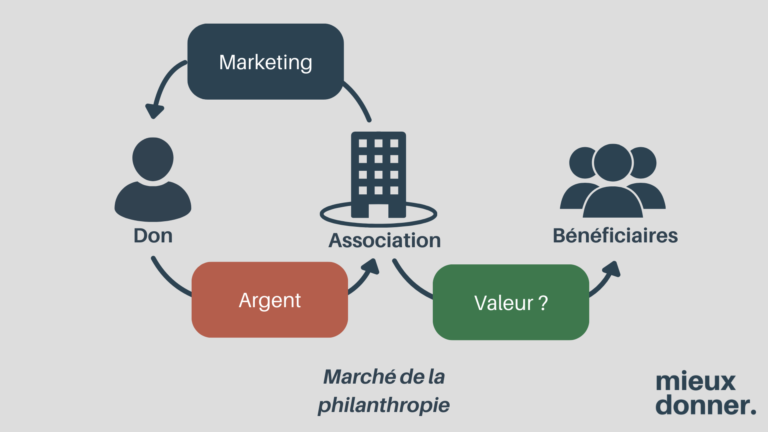
A charity can continue to exist as long as it finds funding, regardless of whether it helps others or not.
2.5 Shouldn't we simply give to those closest to us, locally?
Proximity is an intuitive criterion for caring about others – it’s logical to care about your family and friends, and normal to care about the country you live in.
On the other hand, due to differences in purchasing power, your donation can achieve far more in poorer countries, often far from the Global North. In these regions, the same amount of money can fund significantly more life-saving interventions, resources, and support. In other words, the place where your donation has the greatest impact is often not where you live.
3. Selection process
To identify the highest-impact donation opportunities, we rely on evaluators:
Animal Charity Evaluator (animal suffering), additional link
- LongView Philanthropy (catastrophic risks)
These evaluators all follow a charity selection process. We explain this process below.
3.1 Distinctions
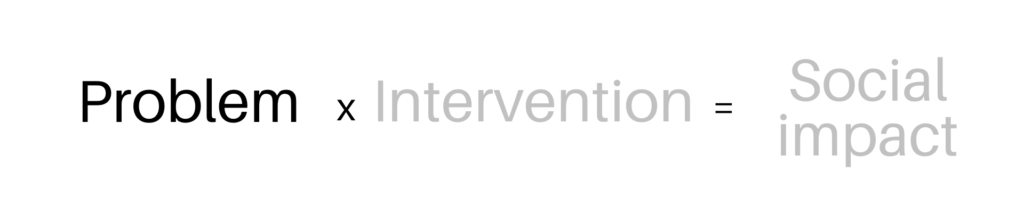
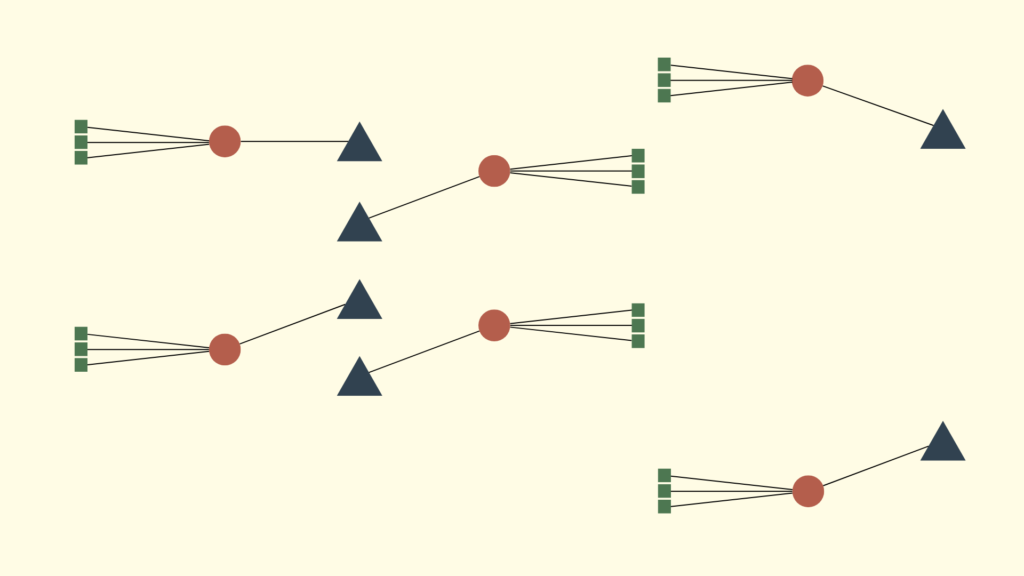
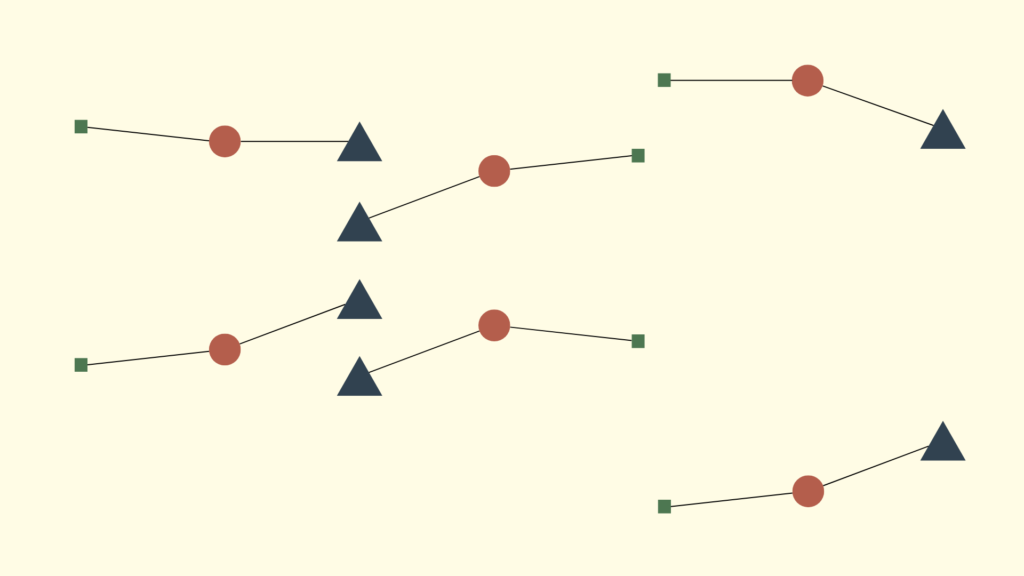
Our evaluators distinguish between Problems, Interventions and Charities.
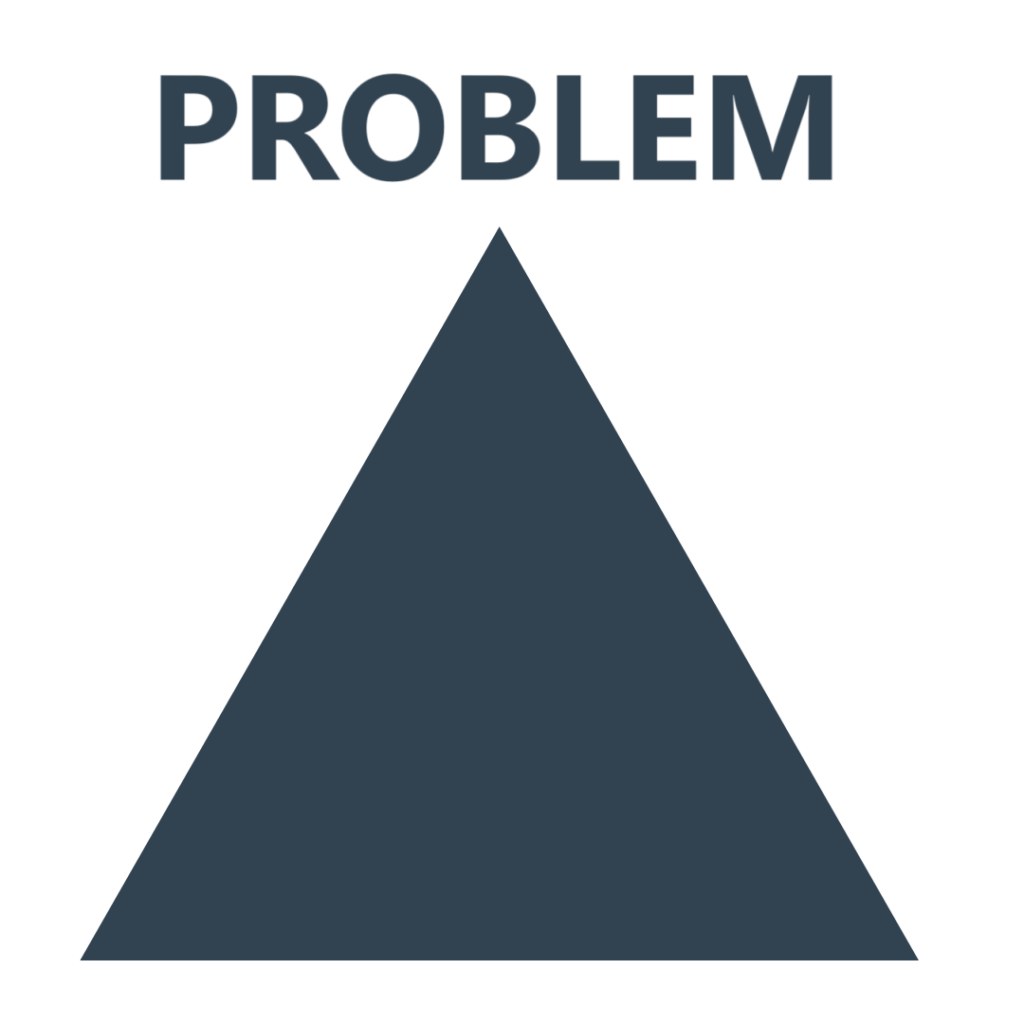
A problem is a state of the world that is judged to be bad – for example, because it generates avoidable suffering. Under the heading of “global health”, we might find problems such as malaria, tuberculosis, exposure to lead, AIDS, trachoma, and so on.
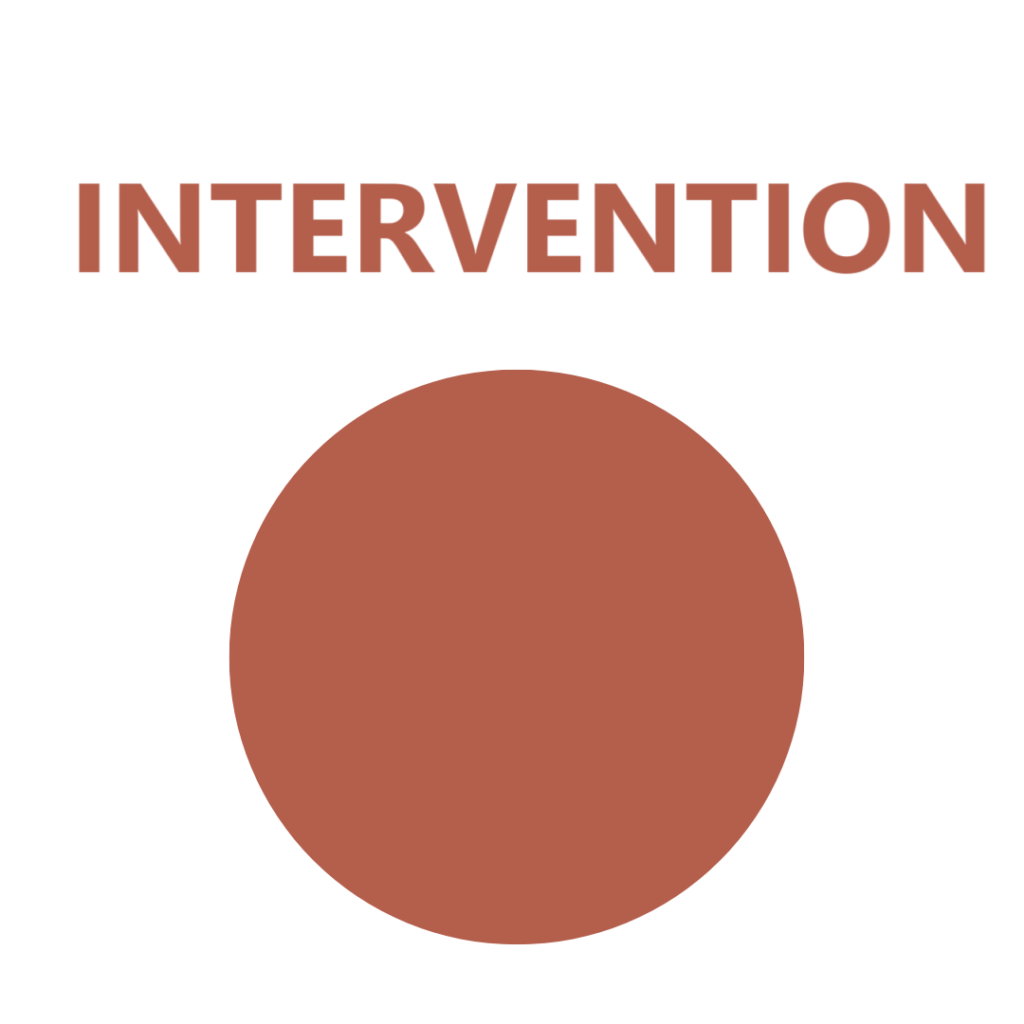
An intervention, on the other hand, is an action taken to solve the problem. For a single problem, such as malaria, there are many interventions: distributing mosquito nets to prevent malaria, distributing preventive treatments, vaccinating the population, raising awareness and educating the population…

Finally, a charity is a group of people carrying out various activities, some of which directly address the problems we aim to solve. Some organizations specialize in a single intervention, while others implement multiple approaches to create impact.
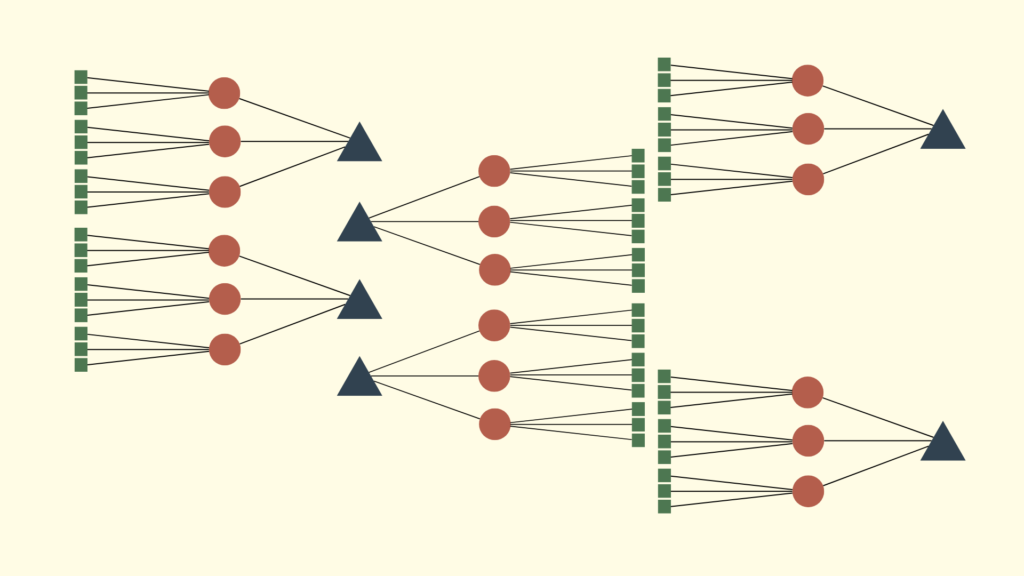
Each problem can be improved by several interventions. Each intervention can be carried out by several charities.
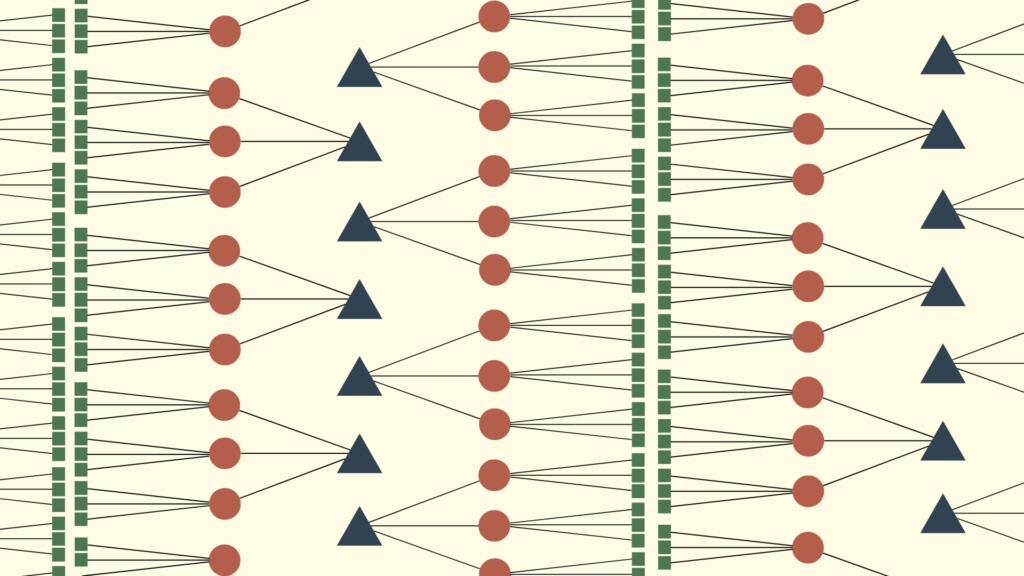
The selection process used by our evaluators is as follows:
- Prioritise the problems to be solved
- Identify and prioritise interventions
- Identify and prioritise the charities implementing the interventions identified as effective.
- Recommend the charities identified as the most effective.
In the rest of this article, we explain the selection process.
3.2 Prioritising problems
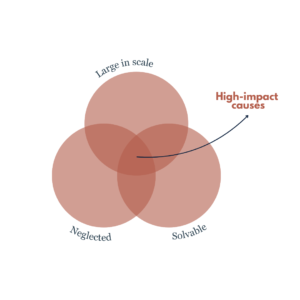
The three criteria
Our evaluators use specific criteria to identify “high-impact” problems—issues that, if solved, can significantly improve many lives at a relatively low cost. These problems are often referred to as “low-hanging fruit” because they offer effective solutions that are relatively easy to implement.
- Scope : does the problem that the policy seeks to solve affect a large number of people? To what extent are the individuals affected?
- Potential for improvement: how much of the problem can be effectively resolved?
- Neglectedness: how many resources are already dedicated to this problem?
Large in Scale
Scale refers to the number of people (or beings) affected by a problem. For example, combating malaria is a high-scale issue, as over 200 million people suffer from the disease each year, with hundreds of thousands dying. In contrast, taking action for domestic animals is a lower-scale issue. While some pets face mistreatment, their numbers are relatively small, most receive proper care. Meanwhile, farm animals are far more numerous and frequently subjected to poor conditions.
Solvable
The potential for improvement depends on existing solutions. For malaria, there is great potential for improvement thanks to effective solutions such as vaccines, preventive treatments and insecticide-treated mosquito nets. On the other hand, there are no reliable, clearly identified solutions for improving unemployment or the housing crisis.
Neglected
The extent to which a problem is neglected depends on the resources—whether in personnel, time, or money—already dedicated to addressing it. For example, imagine a country where many people lack access to essential resources, such as water filters or vitamin A. Initially, providing these resources in urban areas would be highly effective, as distributing them to large populations is cost-efficient. However, as we move to more remote areas, the costs of reaching people rise. Eventually, once the entire population has access, additional funding has little to no impact. If the distribution of water filters is already being addressed, contributing to it will have less of an effect than if the issue were neglected entirely.
By following these three criteria, we can already focus on priority and promising problems.

3.3 Prioritising interventions
Once the target problems have been identified, we can list and compare the interventions aimed at resolving them.
Charities implement a large number of different interventions. By way of example, some of the interventions (not necessarily all of which are effective) are shown in the portfolio below.
.
Often, the majority of a charity’s impact depends on the interventions it chooses to focus on. This is why many evaluators begin by analyzing the effectiveness of different interventions before assessing individual charities. By doing so, they can narrow down the number of charities that need to be evaluated, allowing for a more in-depth analysis of each one.
Here are the tools used by our evaluators to prioritise interventions:
3.4 Final Impact
Final impact: this is the impact we are ultimately aiming for. For example, the impact of “giving treatment to 100 sick people” is an intermediate impact; what we’re really aiming for is to save lives. Another example of a final impact might be “preventing 10 hours of acute suffering for a sentient being”.
In the case of global warming, since it is virtually impossible to assess the impact of actions in terms of suffering and death, the intermediate impact of “avoiding the emission of X tons of CO2 equivalent” is used.
A common way to measure impact is using Quality-Adjusted Life Years (QALY). This measures how many healthy years of life are saved by an intervention. QALYs can also be used to compare diseases by asking people how much of their life they would be willing to give up to be completely healthy again if they had that disease.
The impacts of the interventions to be assessed can sometimes be very different in nature.
For example, an intervention may:
- Save the lives of children aged 0 to 10
- or improve the health of a large amount of people.
Evaluators use “moral weights” to compare impacts by quantifying their relative desirability, for example by judging that it is twice as desirable to save a 5-year-old child as a 70-year-old person. However, these weights depend on personal preferences and cannot be determined scientifically. GiveWell combines various approaches, including surveys of donors and the populations helped, to overcome this limitation. More details are available here.
For issues that can’t be measured in QALYs like minority support, impriving mental health and reducing suffering, there are standardized units of measurement, such as “WELLBYs” (adjusted years of well-being), which effectively capture the impact of these interventions on human well-being. While these measurements aren’t perfect, they provide an accessible and useful way to compare and prioritize actions, offering greater clarity in decision-making.
3.5 Cost effectiveness
Cost-effectiveness is a key metric: it is the investment required to achieve an objective, such as “saving a life” or “avoiding 100 hours of animal suffering”. To obtain this data, the evaluators carry out a detailed analysis of all the stages leading up to the final impact, based on scientific studies. An example of GiveWell’s analysis of the distribution of vitamin A supplements is available here.
At this stage, for example, we can identify that an intervention provides 10 QALYs per thousand euros spent.
It is important to note that the distribution of cost-effectiveness is not uniform across interventions. Numerous studies have been carried out on this subject [1]. If we rank the interventions according to cost-effectiveness, with the least effective on the left and the most effective on the right, we obtain this curve:
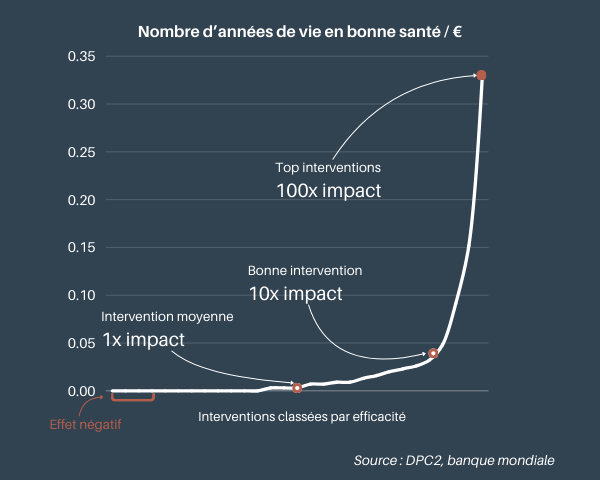
This is what is known as a fat-tailed distribution: the most effective interventions are much more effective than the least effective interventions (in this case, depending on the problem addressed by the intervention, the effectiveness of the best intervention varies between 20 times and 100 times more).
This is particularly true of global health interventions. But it also applies to many other areas, such as greenhouse gas emissions or education in poor countries [2].
3.6 The counterfactual
The counterfactual impact is measured by comparing what happens if the intervention takes place with what happens if the intervention does not take place.

To illustrate this concept, let’s imagine that we are setting up a new treatment centre for a disease. This new treatment centre will be able to treat 25 patients.

If disease statistics show that 60% of those treated recover, we could calculate without too much thought that treatment provided at our centre will save 15 of the 25 lives. In this image, the lives lost are in red, and the lives saved in black.
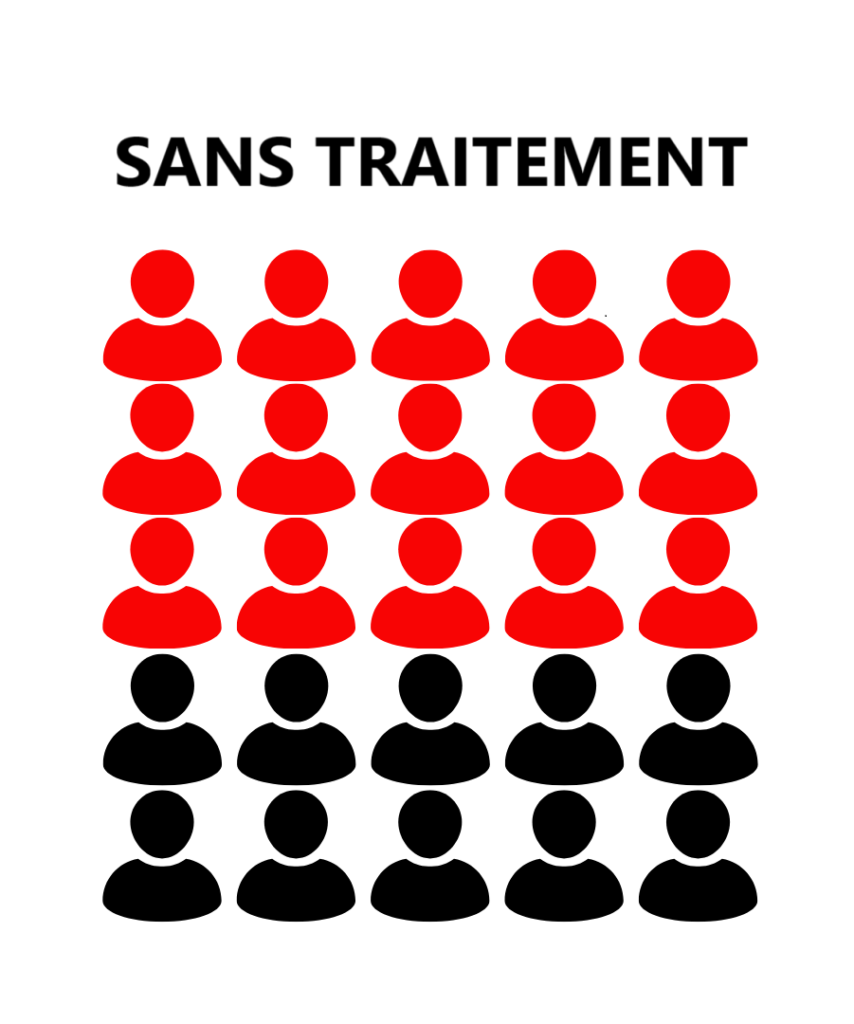
But that’s forgetting to compare it with no treatment at all! In our case, 10 people (40%) survive without treatment.
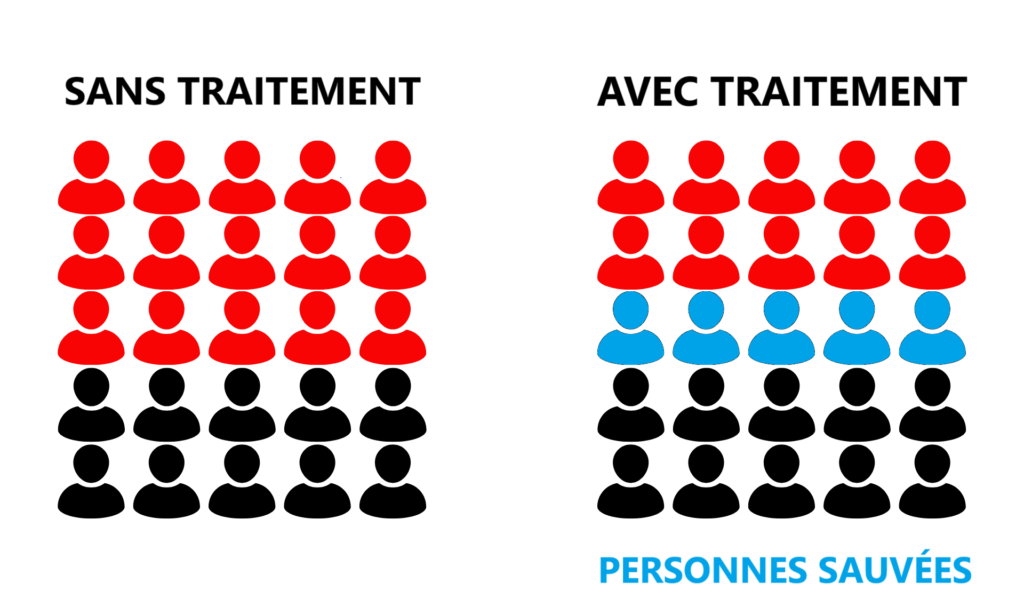
Comparing the two scenarios, we can see that the real impact of the treatment is to save the lives of 5 people (in blue), or just 20%.
But remember that we are trying to measure the impact of the treatment centre. In reality, the alternative is generally not the absence of treatment, but rather the existence of an alternative means of action. In our case, we would have to take into account the fact that some people treated at our centre could have had access to treatment by another means (for example, by going to an existing treatment centre).
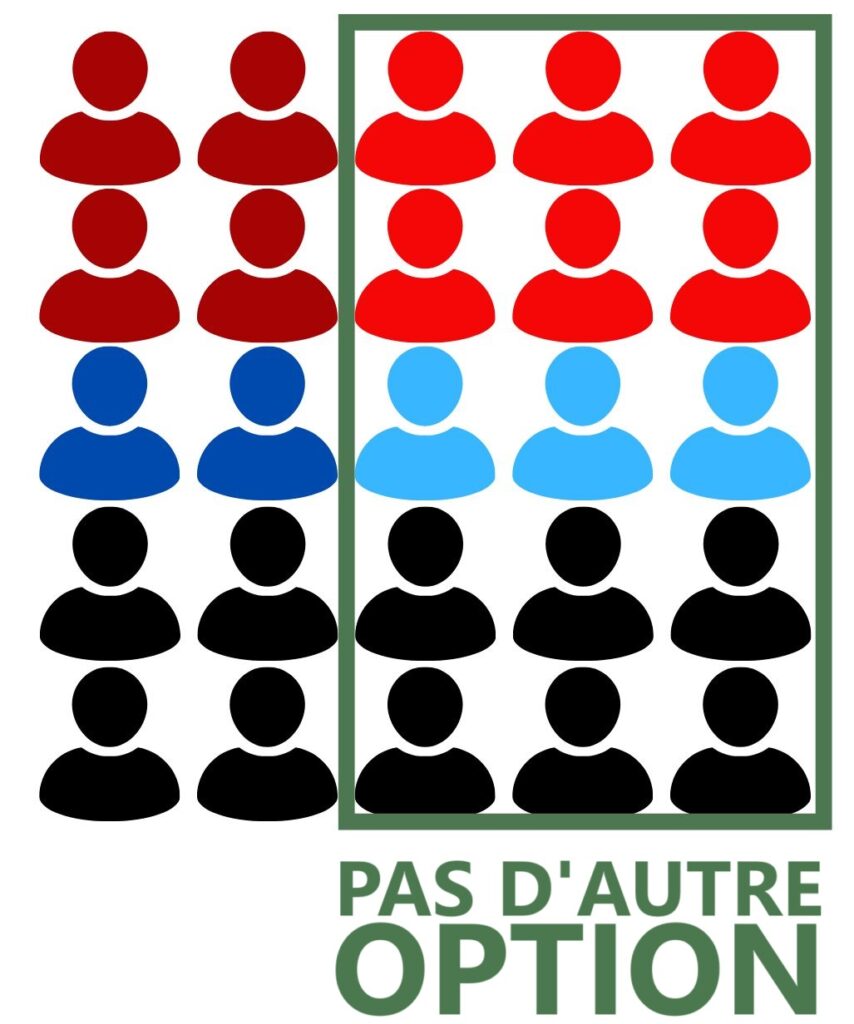
If 15 of the people we treat (60%) have no other care option, the final counterfactual impact will be just 3 people.
3.7 Scientific evidence
The calculation of the counterfactual cost-effectiveness ratio can sometimes be marred by significant uncertainties, particularly when a subject is poorly documented in the scientific literature. In this context, evaluators take uncertainty into account in their assessments, often by taking the most pessimistic numbers. These numbers are supported by solid evidence, such as meta-analyses, studies measuring the reliability of numerous other studies.
This rigorous approach can sometimes lead to the exclusion of potentially highly effective interventions that are deemed too uncertain. However, these methods are closely monitored and re-evaluated if new data reduces the uncertainties.
All these different tools enable us to focus on the most promising interventions.
4. Prioritising charities
So far, we have talked about evaluating the means of action. As explained above, once the most effective means of action have been identified, an analysis of the charities implementing them is carried out. The criteria used to assess the charities are the same as those used for the means of action, with the exception of one additional criterion: transparency.
Transparency is crucial to ensuring trust in a charity and to achieving the most accurate cost-effectiveness calculation possible. This includes
- The provision of all their important budgetary data: allocation of their budget by project and by geographical area, and details of the process by which allocations are decided.
- The willingness to answer the evaluators’ questions in detail.
- Communicating past mistakes and corrections made.
- Regular monitoring and evaluation of their actions and systematic and public publication of reports.
In the end, we obtain a limited selection of charities that guarantee your donations will have a strong impact.
5. Evaluating the Evaluators
We have explained how problems are prioritised, how interventions are prioritised, and finally how the charities that implement these interventions are prioritised.
This process is regularly monitored and updated by our five assessors. If you would like details of each methodology, please refer to the pages for each evaluator:
The evaluators listed above, whose recommendations we follow, are independent, both of Mieux Donner and of the charities that they recommend.
It is important to note that some evaluators focus on a particular area - for example, Giving Green focuses on climate change, while Animal Charity Evaluator focuses on animal welfare.
Finally, we don’t treat all our assessors equally. Some have well-defined decision-making processes and provide full transparency of their analysis, making their recommendations more influential for us. We carefully review their recommendations and discuss the choices that seem most strategic. Additionally, we follow Giving What We Can’s research into these evaluators and the reliability of their selection processes to ensure we make informed decisions.
6. Conclusion
We rely on evaluators with a rigorous assessment process, which involves comparing different problems based on the number of people affected, the potential for improvement, and the resources currently available for addressing them. There are many possible interventions for each issue, and our evaluators focus on assessing the final impact, considering both the effectiveness and the cost-efficiency of each solution, as well as the reliability of supporting scientific studies. They then evaluate which charities are best positioned to implement these interventions, requiring a high level of transparency from them.
It’s tempting to imagine that we can do nothing about the challenges of our time. But the rigour of our evaluators enables us to identify the problems where we can help the most with our contributions. They give us an idea of what we can achieve. So if we’re going to make a difference, we might as well make the biggest possible one. You can support these initiatives right now on our donations page.
- Jamison, Dean T. et al. Disease Control Priorities in Developing Countries, Second Edition, World Bank And Oxford University Press, 2006
- Jamison, Dean T. et al. Disease Control Priorities, Third Edition, World Bank, 2017.
- WHO, Cost-Effectiveness and Strategic Planning (WHO-CHOICE), AFR E. WHO, 2019
- Owen L. et al, The Cost-Effectiveness of Public Health Interventions, Journal of Public Health, vol 34, N°1, 2011, pp.37-45
- Cost-Benefit Result, Washington State for Public Policy, 2019
- Gillingham, Kenneth and James H. Stock, The Cost of Reducing Greenhouse Gas Emissions, Journal of Economic Perspectives, vol 32, N°4, 2018, pp. 53-72
- Angrist, Noam et al. How to Improve Education Outcomes Most Efficiently? A Comparison of 150 Interventions Using The New Learning-Adjusted Years of Schooling Metric, Policy Research Working Paper, N° 9450, World Bank, 2020