Mieux Donner

Supporting animal welfare: everything you need to know about the animal cause

Friday 22 November 2024, Reading time: 10 mins

Une vache mère caressant son veau dans un champ.

Introduction to the animal cause

Definition and scope

The animal cause brings together initiatives and movements aimed at improving the living conditions of animals by combating their exploitation and mistreatment. This includes defending their rights, conserving different species and promoting ethical practices in sectors such as agriculture, entertainment and scientific research.


Interest in animal issues has grown, encouraged by advances in cognitive science and a shift in societal values towards greater empathy for all sentient beings.

Context and historical development

Animal rights movements have been developing since the 19th century, tackling major issues such as vivisection and the slaughter of farm animals. These historic actions laid the foundations for today’s campaigns for the respectful and ethical care of all sentient beings.


The perception of animals has evolved: for a long time considered as mere resources, they are now recognised as sentient beings capable of feeling pain and emotions. This recognition has led to a growing awareness of the need to make a commitment to all sentient beings.

Contrasting financial support

In the United States, over 99% of the animals killed each year come from factory farming, while only 0.007% are pets euthanised in shelters. Yet around 95% of donations to animal protection associations support actions to promote the welfare of companion animals, compared with just 3% for agriculture and food. These disparities illustrate the importance of better targeting efforts to combat the exploitation of animals.

Number of animals donations

Philosophical and ethical foundations

Moral considerations

The ethical debate surrounding animal rights often focuses on the intrinsic right of animals to live without suffering or exploitation. This calls into question anthropocentric perspectives that privilege human interests to the detriment of other sentient beings.


A seminal work in this field is Peter Singer’s Animal Liberation. In it, the author defends the idea that the capacity of animals to suffer gives them interests similar to those of humans, and that it is morally unjustifiable to ignore them.

Differences of opinion between abolitionism and welfarism

Two main approaches coexist among animal rights activists:

  • Abolitionism, which campaigns for an end to all forms of animal exploitation,

  • Welfarism, which advocates improving practices to take better account of animal welfare, without focusing on abolishing exploitation.

These approaches may sometimes appear to be opposed, but they agree on the need to change current practices.

Understanding the animal condition: a growing concern

Scientific discoveries and definition of sentience

Sentience refers to a being’s capacity to feel emotions, pain and pleasure, and to have subjective experiences. It differs from simple consciousness by focusing on sensitivity to suffering and well-being.


This concept, now widely recognised by scientific research, is influencing public opinion and legislative changes. These discoveries have led to a better understanding of their consciousness, and to increased demands for more respectful treatments.

Welfare and ethical treatment

Welfare standards, particularly in the agricultural, research and zoo sectors, have improved as a result of these advances. These advances have led to better living and care conditions. Discussions about the ethical treatment of animals focus on reducing suffering, whether in agriculture, for entertainment or for laboratory animals.

Main organisations working to protect animals

The main animal welfare associations in France

Several associations stand out for their actions:

  • The SPA and the Brigitte Bardot Foundation: These organisations fight primarily against the mistreatment of companion animals.

  • L214: This association highlights mistreatment in factory farms and slaughterhouses, raising public awareness through investigations showing acts of cruelty.

  • One Voice, WWF and PETA: These organisations are active on a variety of fronts, including lobbying, the fight against animal experimentation and the preservation of wildlife.

The above-mentioned defence associations are historically the best known, but notoriety does not imply effectiveness.

Focus on livestock and large-scale action

Livestock accounts for the vast majority of animals exploited in the world. Yet their fate is often neglected.


If you are serious about improving animal welfare, it is advisable to focus on associations recognised for their rigour and systemic approach, such as The Humane League (THL) or the Good Food Institute (GFI), which influence corporate policies and support the development of alternatives to animal products.

  • The Humane League fights against animal exploitation by obtaining commitments from companies in favour of animals intended for consumption, for example to put an end to practices such as the use of eggs from battery hens.

  • The Good Food Institute promotes alternatives to conventional meat, working against animal abuse while having a positive impact on the environment. Donations to GFI qualify for tax relief

These organisations have been recognised as the most effective by international evaluators such as the EA Animal Welfare Fund and the Animal Charity Evaluator, enabling your donations to avoid a great deal of suffering.


Mieux Donner is also aware of French organisations that have a great impact, so don’t hesitate to contact us to find out more.

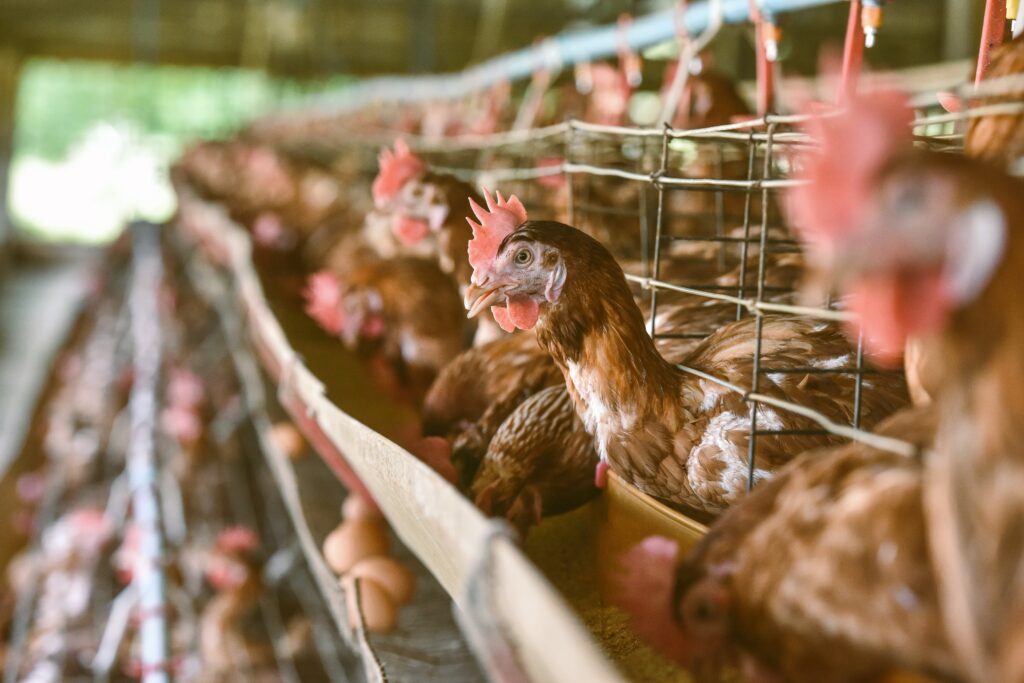
Des poulets dans une cage de batterie pour les organisations caritatives qui contribuent à réduire la souffrance des animaux.

Chickens are among the most mistreated animals in the world. Every minute, 140,000 chickens are slaughtered. The Humane League (THL) is working tirelessly to get chickens out of battery cages. Over the past decade, THL has convinced more than 400 companies to abandon battery egg production. Each donation of €0.85 to The Humane League saves an animal from intensive farming.

Legal framework and government initiatives for animal protection

Public policy in France

A law to combat animal abuse was enacted on 30 November 2021, and since then progress has been made, such as the ban on wild animals in circuses. However, further reforms on animal transport and living conditions are needed to take full account of the plight of animals, particularly those intended for human consumption.

In 2022, the “Animal Commitment 2022” campaign, run by Convergence Animaux Politique (CAP) with the support of 30 NGOs, mobilised 410 candidates and 9 political parties around measures to promote the animal cause.

How to influence policy

Throughout the year, citizen advocacy plays a key role in the adoption of legislation. By taking part in campaigns or supporting animal protection associations, every individual can contribute to changing public policy.

Societal impact of raising awareness of animal welfare

The role of education and awareness campaigns against mistreatment

Schools and universities are increasingly incorporating animal ethics into their curricula, raising awareness among the younger generation. In addition, awareness-raising initiatives led by NGOs have had a profound influence on public opinion on this subject, encouraging more responsible behaviour.

Growing concern about the animal cause

Public concern over issues such as intensive livestock farming, vivisection and the treatment of pets has led to significant legislative reforms. This trend is supported by an increase in campaigning, reflecting society’s growing commitment to concrete change.

Advances in the understanding of animal sentience directly influence ethical standards and policies, fostering a more animal-friendly world.

How to get involved in the animal cause

 Financial support

Contributing to organisations with a proven impact, such as The Humane League or The Good Food Institute, ensures that your donations support effective action against animal exploitation.


Volunteering and advocacy

Taking part in local or national initiatives, whether they involve raising awareness, running shelters or lobbying decision-makers, can help to ensure that animals’ interests are better taken into account.


Changing your eating habits

Adopting a vegetarian or vegan diet is an effective way of reducing animal suffering.


Launching personal initiatives

Creating petitions, organising educational campaigns or supporting research into alternatives to animal products actively contributes to the fight against animal suffering.

Conclusion: the future of the animal cause

An evolving role

As society continues to evolve, the scope of animal protection is broadening to address new issues such as the impact of climate change on wildlife, factory farming and the ethical issues surrounding genetic modification.


Continued advocacy

Ongoing advocacy remains necessary to encourage more protective laws, more respectful treatment of all sentient beings and greater responsibility on the part of industries.


Individual efforts

Individual efforts – whether through activism, dietary change, financial support or education – can contribute to global change on a global scale.

Profil de Jennifer Stretton, l'une des fondatrices de Mieux Donner.

Jennifer Stretton

Jennifer is co-founder and co-director of Mieux Donner. You can contact her at jennifer@mieuxdonner.org or by using the contact form.

You might also want to read...

Valeur d’une vie en France
Romain Barbe

What is the cost of a human life?

Human life is precious. It is natural to want to mobilise all our resources to save a life, even if it only prolongs a life by a week. But what happens when other people are also in danger, and our resources are not enough to help them all? As a society, we face practical limits that force us to make difficult decisions.

Read More »
Tags :